




















Best Detox & Rehab Center for Residents of Naples, FL
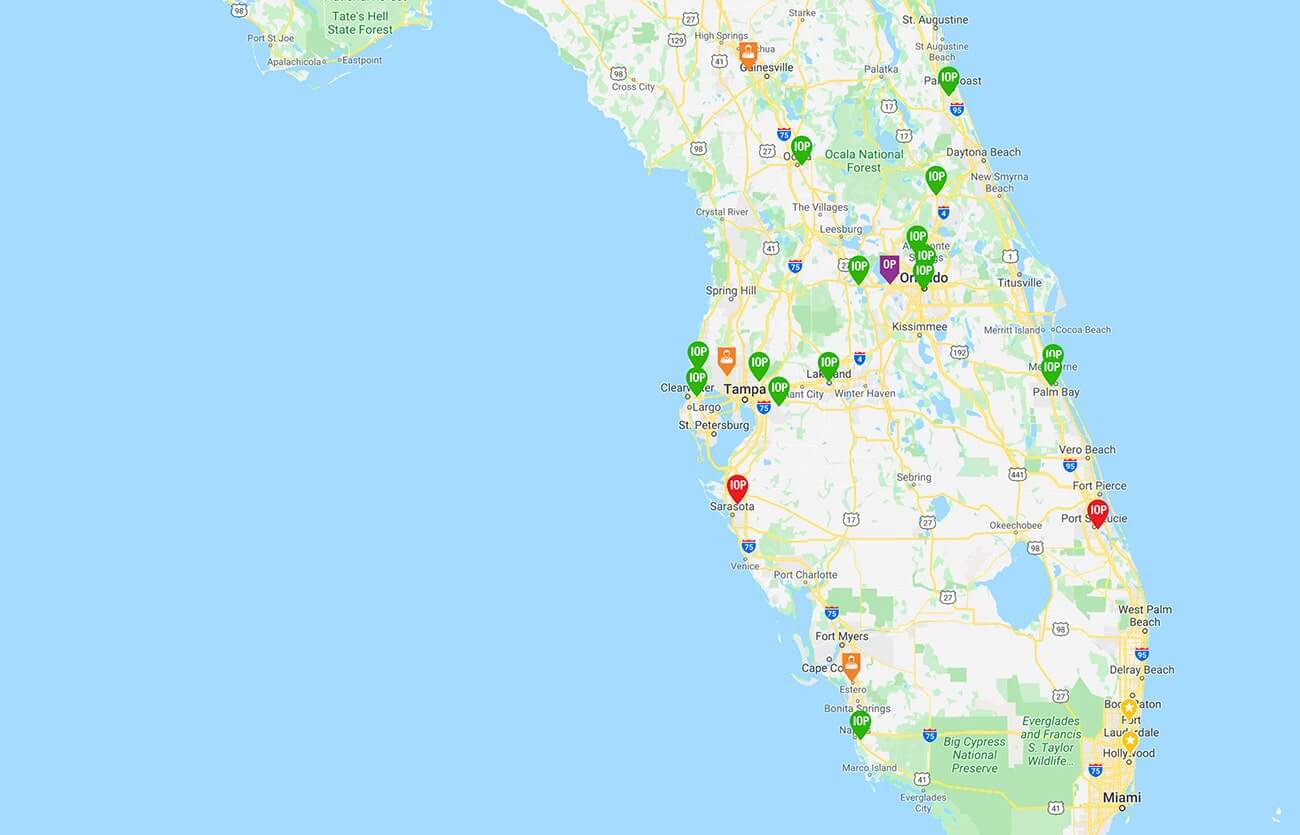
For residents of Naples, Florida, who are struggling with drug or alcohol addiction or dependency, treatment is available through WhiteSands Treatment Centers. At our nearby Fort Myers location, we offer medical detox in a controlled and monitored environment and always ensure our patients’ safety and comfort throughout the process. With registered nurses and medical specialists available on a 24/7 basis, patients will have peace of mind that they are in the best care possible. To facilitate access to our services, we assist patients to verify PPO insurance for drug rehab, ensuring that those in need can receive the comprehensive support and treatment they require.

Once patients have completed their time in a detox recovery center, they will begin their inpatient rehab program. We offer both detox and inpatient services directly on-site in Fort Myers so patients will not have to readjust to a new setting when they enter residential treatment. Our facility provides top-notch treatment plans for all types of substance abuse disorders, whether you have been using for a while or have recently recognized that your drug or alcohol use is becoming a problem. Allow our specialists to help guide you toward individualized treatment that will work for you.
Once you have completed detox and residential programs in Fort Myers, our outpatient programs in Naples, Florida, can ensure you still have access to the alcohol and drug treatment you need to continue your battle over addiction. At our Naples center for outpatients, we offer several continuing care programs to help our patients remain sober once they return home.
Alcohol Detox Treatment Near Me
For those struggling with alcohol abuse, the first step in the recovery process will be medical detox. For those who struggle with alcohol abuse, detox is a critical step in the recovery process as going cold turkey can be extremely dangerous and even life-threatening.
During alcohol detox in Fort Myers, the patient will be given an anti-craving withdrawal management detox medication designed to wean them off the substance safely. It is a gradual process that takes approximately seven to 10 days to complete. The patient will be given a larger dose of the detox drug first, and the dosage will slowly be lessened as the days go on. By the end of the detox, the patient will be completely free of the substance and ready to attend inpatient treatment. Detox programs are designed to address the physical side effects of withdrawal, while inpatient rehab addresses addiction’s psychological aspect.
Drug Detox Center for Naples Residents
Residents of Naples can get professional, compassionate care through WhiteSands Treatment in Fort Myers. Whether the problem is illicit drug abuse or prescription drug abuse, the right recovery programs can render long-lasting sobriety. Our board-certified professionals are dedicated to helping all patients reach sobriety.
Depending on different factors, such as the severity of the alcohol and drug addiction, and what kind of drug the individual is addicted to, a unique detox drug will be administered. During drug detox, the patient will reside at the Fort Myers facility for the detox duration, which can last anywhere from five to ten days. Patients will be monitored on a 24/7 basis to ensure the detox process is going smoothly and the patient is responding well to everything. Medical detox effectively lessens the withdrawal symptoms associated with the detox process, and some of the side effects that will be mitigated during the process are tremors, hallucinations, vomiting, restlessness, and nausea. Detox is meant to stabilize the patient and manage the physical side effects of addiction, while therapy and counseling during inpatient treatment are designed to help address any underlying mental health issues and tackle the psychological aspects of addiction. The combination of detox, therapy and counseling has proven to be very effective in rendering life-long sobriety from drugs and alcohol.
Naples Alcohol Rehab Center Near Me
Individuals who find solace in alcohol are putting their health and lives at considerable risk. Suppose alcohol abuse doesn’t become fatal, the lifestyle it entails will. This is because addiction, whether to alcohol or drugs, is a chronic and relapsing disease that worsens with prolonged use and abuse. The longer you put addiction treatment off and continue to use alcohol, the worse the addiction will get. The sooner the individual gets into treatment, the quicker they can work toward a free life from substance abuse.
Breaking the cycle of alcohol abuse is possible through effective treatment. During a patient’s time in alcohol rehabilitation, they will take part in various treatment programs and dual diagnosis programs as they work toward long-lasting recovery. Individualized recovery programs offered at WhiteSands Treatment facility work to uncover any underlying mental health disorder that may be at the foundation of the addiction. This process can be adequately managed with the help of dual diagnosis treatment. Frequently, it is an undisclosed mental illness that is ultimately responsible for the addiction. Once this is brought to the forefront and managed, the addiction can then be addressed.
There needs to be a solid foundation set for addiction recovery programs to work. Through group therapy, one-on-one treatment, and personalized care, individuals will have the tools and resources necessary for a successful recovery. With licensed therapists on staff at WhiteSands Treatment alcohol and drug rehab center, guests will be reassured that they will be cared for by the best.
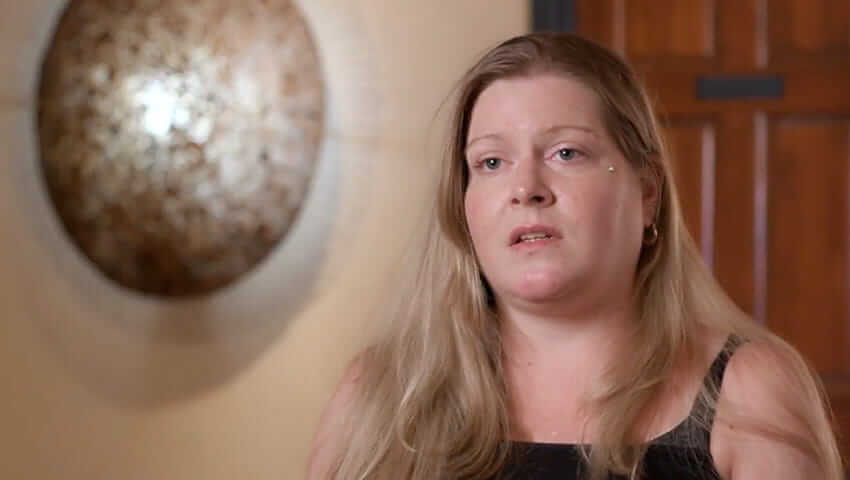
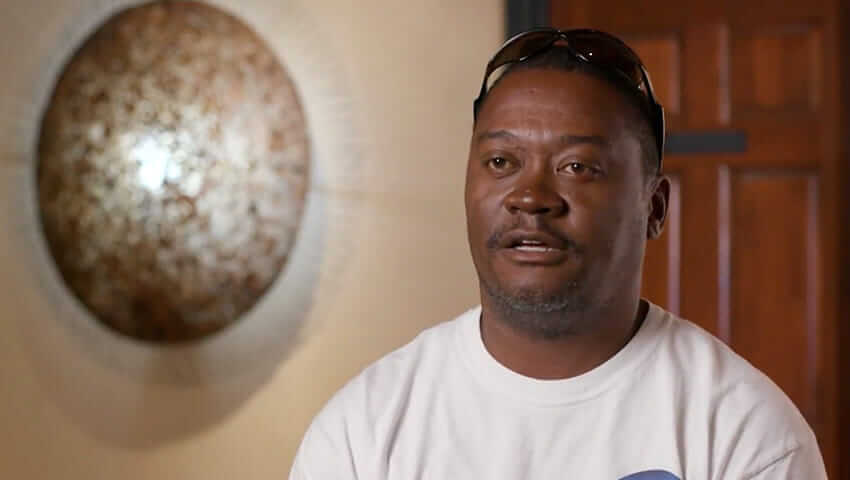
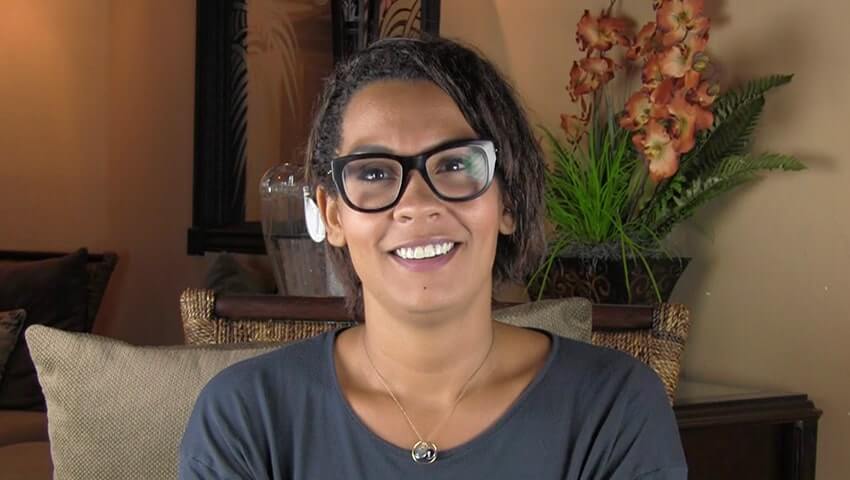
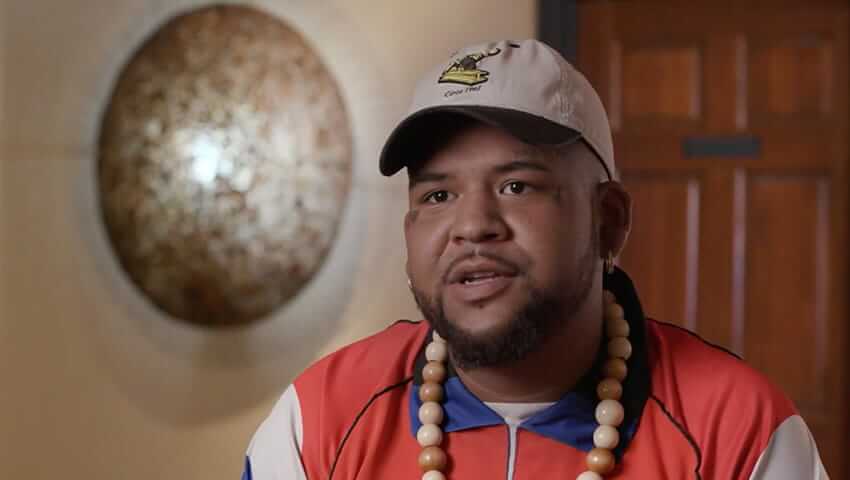
WhiteSands Stories of Recovery




Drug Rehab Center Near Me
During drug rehabilitation, patients will be presented with a daily itinerary that will determine what type of alcohol and drug treatment they will be receiving that day. Treatment begins around 9 am when patients will start their day of treatment by attending a group meeting, seeing a therapist, or meeting with a counselor. Each patient will receive a unique and personalized treatment program that is designed for their success in rehab. While one guest may be receiving one type of treatment modality, the next guest may be receiving a completely different program.
Our state-of-the-art alcohol and drug treatment center in Fort Myers offers patients everything they need to make a full, lasting recovery from drug addiction. From unique programs such as MRT (Moral Reconation Therapy) to offering top-notch amenities like a full-sized gym, yoga, swimming, and chiropractic care, we put just as much focus on the treatment we provide as we do on the health and well-being of patients.
During drug rehab at one of our top-notch addiction treatment centers, patients will reside at the residential facility in Fort Myers for the duration of treatment. The typical drug rehabilitation process can be anywhere between 30 and 90 days, depending on how long the individual has been abusing drugs and how receptive they are to treatment. It’s vital that patients stick to the uniquely crafted program for them as this is the only way they will get the beneficial results they need to make a full recovery. WhiteSands Treatment offers a full continuum of treatment and all levels of care for patients struggling with a realm of drug addictions. With our dedication, each patient will have the chance to regain control of their life.
Detox Treatment For Opioids
Individuals struggling with opioid addiction will require a period of medical detox to safely and effectively wean them off of the substance. With tapering medications, patients will not experience adverse withdrawal symptoms, which will help them focus on their recovery and prepare them for step two in the treatment process.
Long-term opioid abuse alters the brain’s chemical makeup, and this change can be irreversible, resulting in permanent damage. Those who are addicted to opioids or have a dependency on them will experience withdrawal symptoms if they do not get a drug dose. Some of the withdrawal symptoms that will be mitigated during opioid detox are cravings, tremors, nausea, vomiting, body aches, mood swings, and agitation. A medical professional will determine the right medication for the patient’s unique addiction during the patient assessment.
Opioid Rehab
During opioid rehab, patients will go through several different types of treatment programs. Some of the recovery programs that patients will attend are Cognitive Behavioral Therapy (CBT), family therapy, support groups, motivational therapy, Moral Reconation Therapy (MRT), SMART Recovery, and Medically Assisted Treatment (MAT) programs.
Opioid addiction is a treatable addiction, and with the help of research-based treatment, patients can make a full recovery. Changing deeply rooted behaviors is a critical step in overcoming opioid addiction, which can be tackled through behavioral therapy. Patients will work with therapists who will assist and guide them toward long-lasting recovery while teaching them coping mechanisms and trigger management skills.
Medically Assisted Treatment
When patients go through a period of medically assisted treatment, they will be administered one of several medications as they are tapered off of the substance of abuse. WhiteSands Treatment uses Suboxone as the medication of choice as it carries a less dependency rate while being just as effective as its drug counterparts, such as Methadone. Suboxone works by assisting in reversing the side effects of opioids, including prescription painkillers and heroin. The two main ingredients that make up Suboxone are Buprenorphine and Naloxone.
These medications help subside the withdrawal symptoms that may be present during the treatment process. By alleviating symptoms and eliminating opioids from the body, the patient will be physically prepared to accept treatment. Doses during medically assisted treatment begin larger and are gradually lessened throughout the process. It’s important to note that medically assisted treatment alone is not enough to make a full recovery; a complete and successful recovery comes with therapy and counseling, which is considered combination therapy.
What Is Detox Like? What to Expect
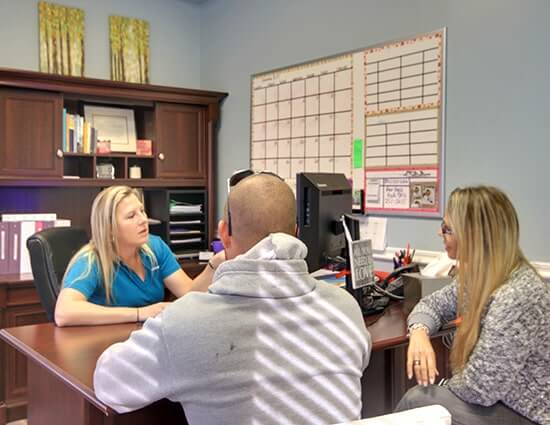
When patients enter the first step of treatment, medical detox, they will first undergo an initial patient assessment. This will look at their medical history and history of drug use, which will help determine detox’s right medication.
Patients will be in detox for anywhere between five and ten days, where they will be monitored on an around-the-clock basis to ensure that the process is going smoothly. They will be provided with food and a comfortable environment, and they are welcome to wander about the facility and partake in activities or enjoy the on-site amenities. When patients go through the detox process, the physical aspect of addiction is addressed. The mental part of addiction is addressed during residential treatment, which is the stage that comes after detox. By minimizing the effects of withdrawal, patients can mentally prepare themselves for the treatment process’s next steps.
What Is Rehab Like? What to Expect
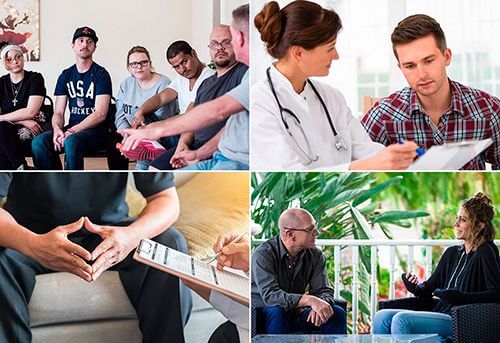
Rehabilitation for substance use disorders involves a series of individual therapy and comprehensive treatment programs, and this combination of therapy will help the individual overcome their addiction. With the right treatment, individuals can look forward to a life that is content and fulfilled instead of one that is controlled by their addiction.
During a rehabilitation program, which can last up to 90 days, patients will be provided with a daily schedule that will outline what sort of treatment they will attend that day, including mental health treatment. There are many breaks throughout the day where patients are free to walk around the facility grounds, grab a snack, and mingle with fellow guests before their next drug or alcohol treatment session.
About Naples, FL
For residents of Naples who have completed their detox and inpatient stay at WhiteSands Treatment in Fort Myers, they must stay engaged in their recovery. Luckily, Naples, a city located on the west coast of Florida, offers a host of activities and things to do and see that cater to the interests of all. When patients are in remission from addiction, it’s imperative that they stay engaged and connected in their recovery by staying busy, active, and healthy. Naples offers many attractions and activities for patients to enjoy.
Some of the popular things to do in this beautiful Florida coastal town are:
Naples Pier
Naples Pier offers gorgeous ocean views. Take a walk on the fishing pier and even ‘drop a line’ if you feel confident in your fishing skills. If you stand on the pier long enough, you may spot other sea creatures such as dolphins and sea turtles. Grab some friends together, get some ice cream, and head over to the Naples Pier.
25 12th Ave S Naples, FL 34102
Lowdermilk Park
Lowdermilk Park is a must-see for tourists, visitors, and locals alike. The sprawling beach has soft white sand that is perfect for a game of beach volleyball. Don’t forget your sunscreen, as this is the ideal spot to layout and enjoy the beauty offered here. There are picnic tables so you can pack some snacks and enjoy the gorgeous sunsets that can be watched here.
1301 Gulf Shore Blvd N. Naples, FL 34102
Naples Botanical Garden
Naples Botanical Garden is an absolute must-see when visiting Naples. The 170-acre garden boasts an impressive range of flowers from all over the world. There are various ponds throughout the attraction to spot unique water lilies and other water-born botanicals.
4820 Bayshore Dr. Naples, FL 34112
Naples Zoo at Caribbean Gardens
The Naples Zoo at Caribbean Gardens offers visitors the chance to enjoy the presence of wild animals that are native to places all over the globe. Take the boat ride out on the water and learn about the wildlife that lives below the surface. Take a guided tour or a self-guided tour and learn about the different wildlife that calls The Naples Zoo home.
1590 Goodlette-Frank Rd. Naples, FL 34102
Freedom Park
If you are looking to take a bike ride, jog, or stroll, look no further than Freedom Park. The elevated wooden boardwalk offers pedestrians the chance to enjoy the foliage and outdoors while getting their daily exercise in. The path stretches over 50 acres, and the numerous viewing platforms overlook the wetlands and lakes.
1515 Golden Gate Pkwy Naples, FL 34105
Knowing how to handle cravings and temptation can be the difference between sobriety and relapse when they become present. Having hobbies and activities available will ensure that you have a healthy outlet to funnel your energy. We can also arrange sober living at a recovery residence close to home so that you can be confident in re-entering day-to-day life.
What Type of Amenities Does WhiteSands Offer?
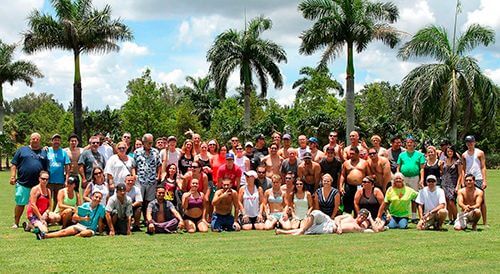
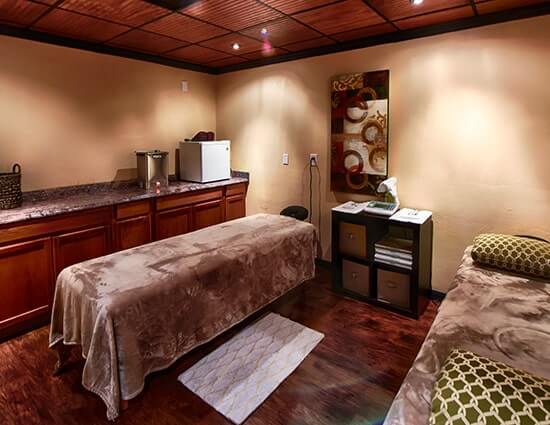
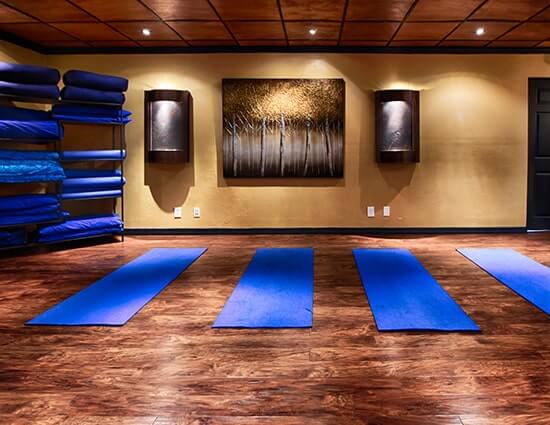
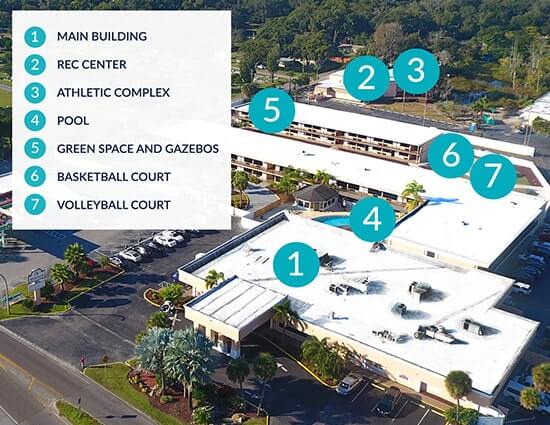
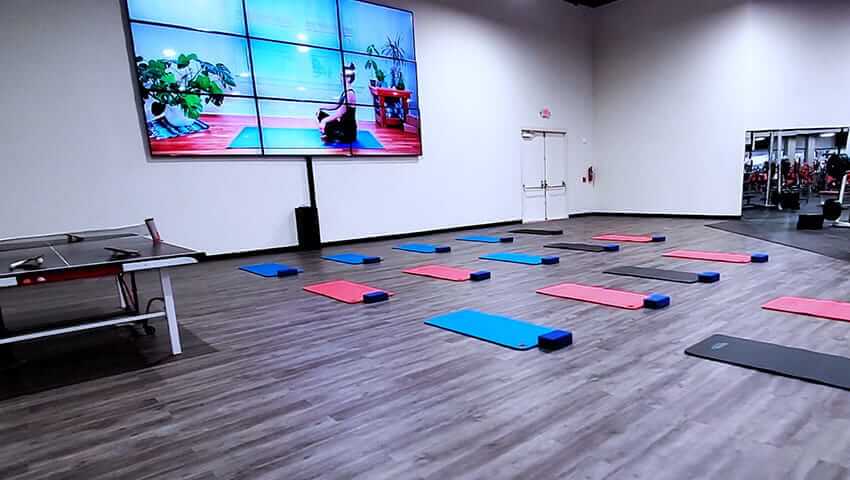
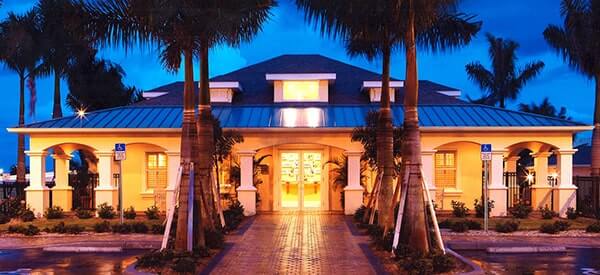
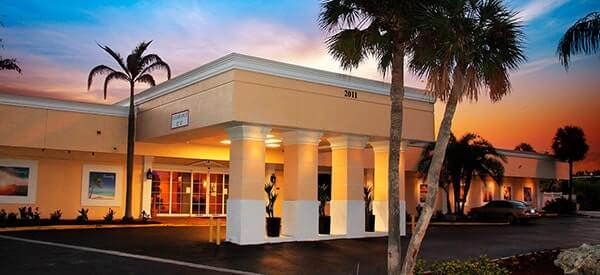
Our facility in Fort Myers for detox and inpatient services offers top-notch amenities for all guests to enjoy. Some of the amenities provided here are a swimming pool, athletic complex, recreation center, walking paths, spa services, yoga, and several lounge areas where guests can sit back and enjoy the big screen game. We have an outdoor café and BBQ area where guests can enjoy freshly grilled food hot off the grill. We are always switching up our menu options because we understand the importance of having home-cooked, quality food.
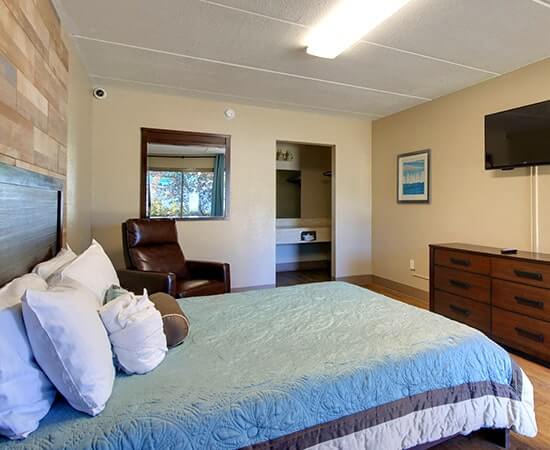
Each patient is given a private room with internet and TV to stay connected to friends and loved ones during this time. We understand the importance of having a support system during this massive time of transition, which is why we permit the use of electronics in private rooms. The rooms are also newly renovated, so patients will be provided a place to sleep and relax in the utmost comfort.
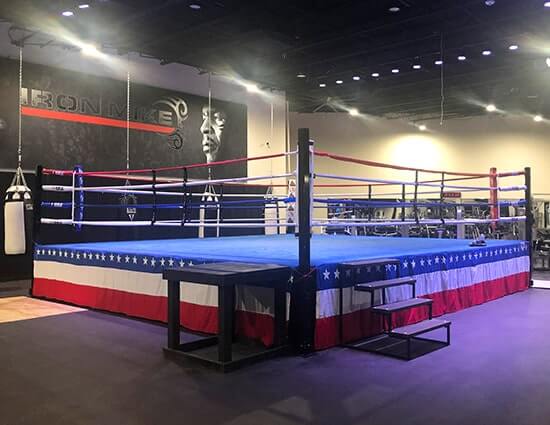
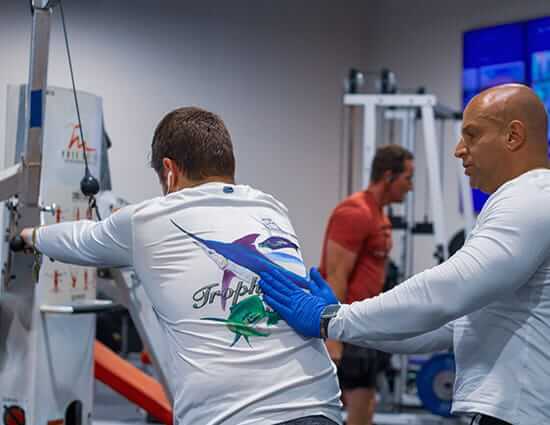
We offer personal fitness training at our athletic complex, where guests can work toward fulfilling their fitness goals. Trainers will work with patients, motivating and pushing them to reach their capacity. Having a healthy way to funnel energy, such as working out and boxing classes, is a fantastic way to work on your physical and mental well-being. There is also no shortage of activities to enjoy here, such as volleyball, basketball, ping-pong, cornhole, and badminton, to name a few.
Why Choose WhiteSands?
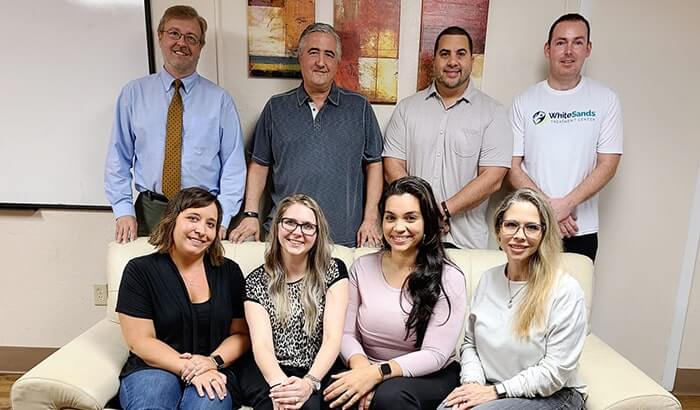
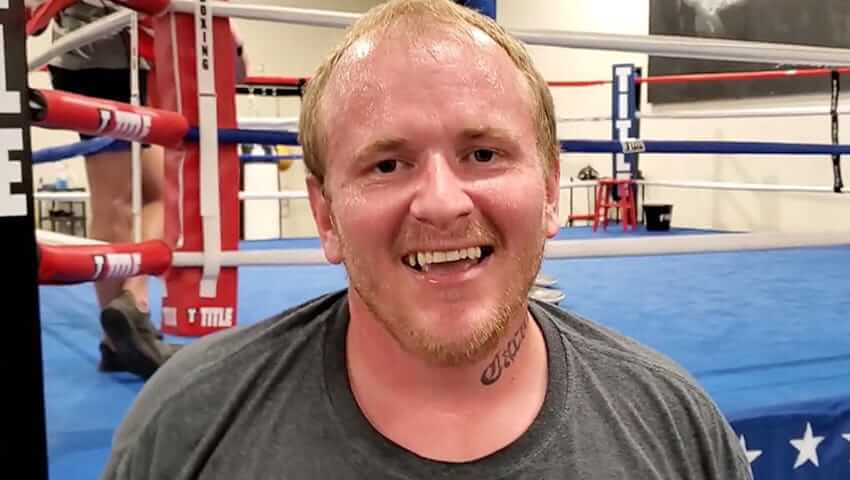
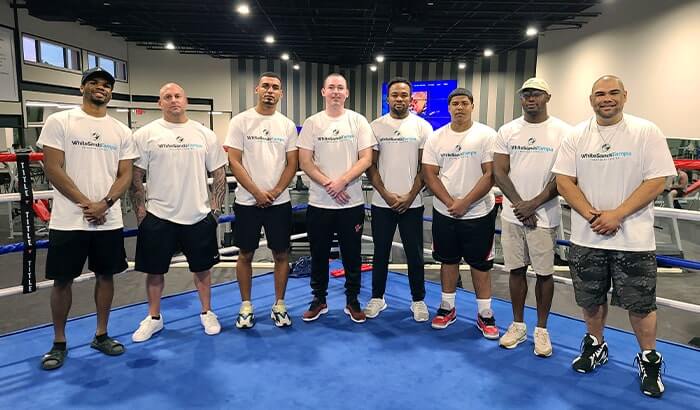
There are exponential reasons why individuals should seek treatment at WhiteSands Treatment. We have a roster of full-time specialists on staff who are board-certified and experts in their respective fields. Having this feature allows the clinicians to understand patients better as they have the time and ability to do so. We have a newly-constructed athletic complex and recreational center that features a full-sized gym and a boxing ring. Guests can enjoy one-on-one training sessions with professional boxers, which can help them improve their agility, stamina, and focus.
We provide luxury accommodations for our guests, as each individual gets a private room. We live by the philosophy that if a guest is comfortable, they are much more receptive to treatment. This methodology has proven to be very useful in our patient success rate.
Besides top-notch accommodations and an impressive range of amenities and activities to enjoy while here, WhiteSands Treatment also offers individualized care, one-on-one therapy with a primary therapist, medical detox on the facility grounds, an on-site addictionologist, and a low patient-to-therapist ratio, and a medical director. We are very committed to our patient’s recovery and offer several one-on-one therapy sessions with a primary care physiatrist per week. The average rehab center in Naples facility offers one per week at most. We are continually looking for ways to raise the bar related to the treatment we produce and the amenities and accommodations we provide. We go above and beyond to ensure each patient’s comfort because we understand the importance of being comfortable during a considerable transition time.
If you or someone close to you struggles with a drug or alcohol addiction, call our WhiteSands Treatment outpatient center in Naples at 239-330-6870 to speak to an intake specialist. They can help guide you toward the first step of the treatment process. The sooner you get help, the quicker you can move on with your life.
WhiteSands Alcohol and Drug Rehab can help you make a full recovery from your drug or alcohol addiction. When individuals call (941) 200-1298 and speak to a WhiteSands intake specialist, they will be guided through an initial screening then given instructions on the next steps to begin the admission process. Call now to speak with an intake specialist and begin the process of healing your life today.